EU political prospects in a time of uncertainty
With the European Parliament elections of June 6 – 9 predicted to show a turn to the right and ongoing wars in Ukraine and Gaza, it's actually energy security that is likely to become a major issue of dispute […]
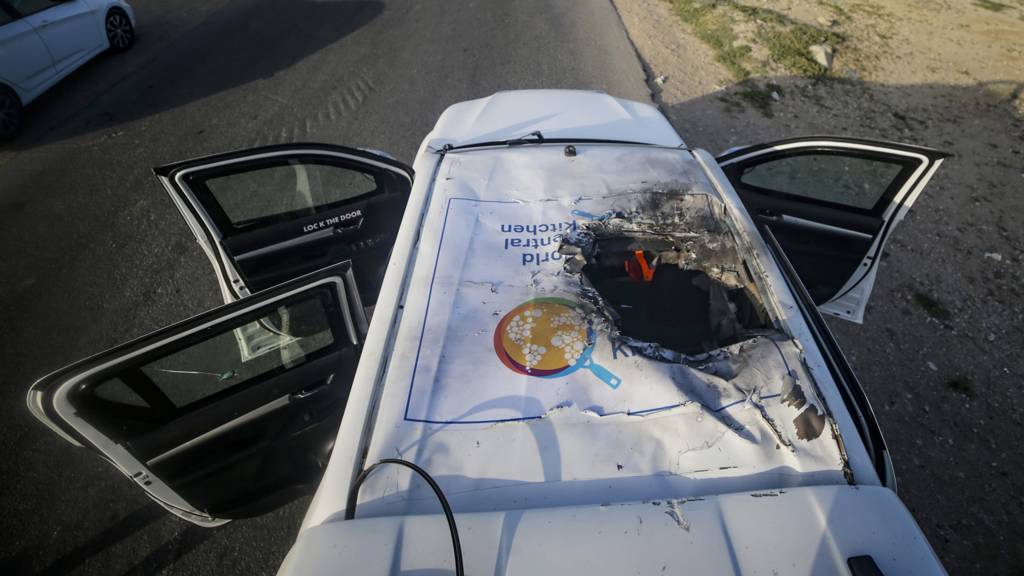
International Court of Justice orders Israel to unblock aid to Gaza – Israel attacks aid convoy
The International Court of Justice has unanimously ordered Israel to allow full access to basic food and medical supplies in Gaza to head off famine.In a legally binding order on March 28, the court told Israel to take “all […]
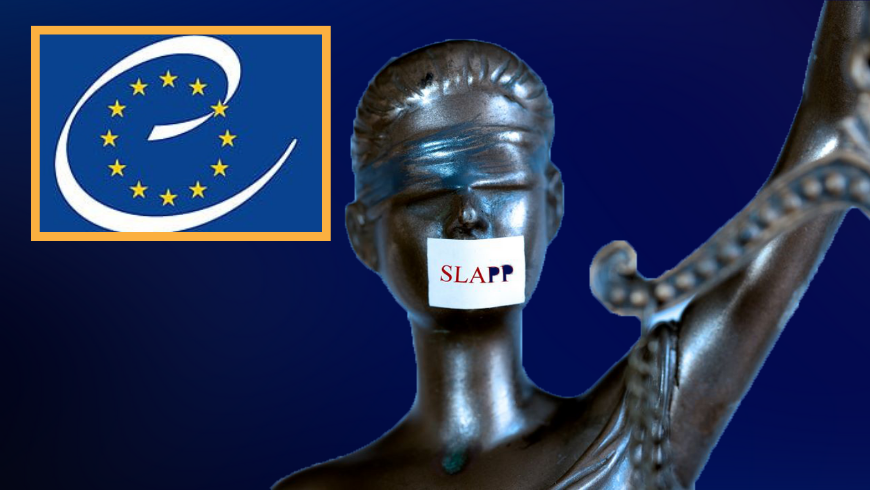
Coalition Against SLAPPS welcomes CoE Recommendation
The major campaign group Campaign Against SLAPPs in Europe (CASE) – which includes the AEJ – has welcomed the Council of Europe’s Recommendation on SLAPPs saying it "could significantly limit the damage caused by SLAPPs", if genuinely implemented. On […]
Julian Assange extradition
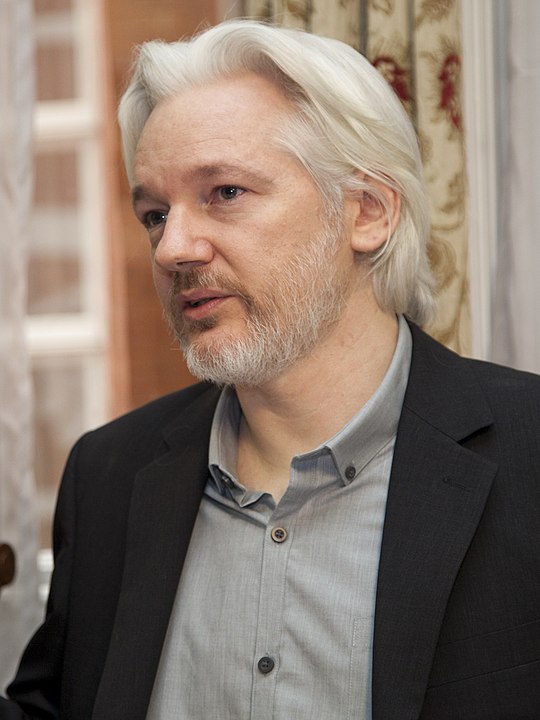
The High Court in London said on 26 March that United States authorities must promise that WikiLeaks founder Julian Assange will not receive the death penalty and provide other assurances before it rules on his extradition appeal.Assange is seeking […]
The AEJ UK
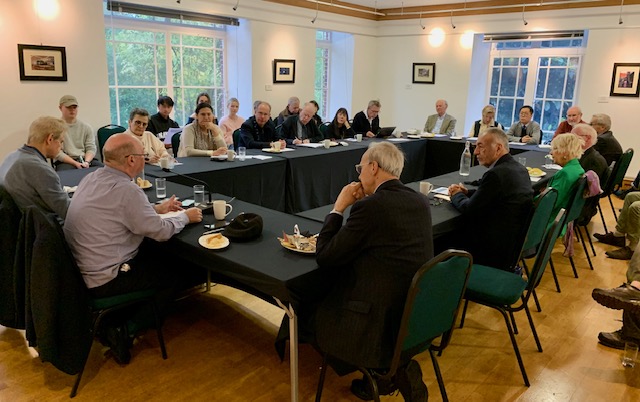
The AEJ UK is part of a professional network of journalists and specialists active across Europe, independent of any institutional or political group and recognised by the Council of Europe, the OSCE and UNESCO. We connect the newsmakers who shape our political and economic world with journalists, broadcasters and writers on European affairs. Meetings are open to journalists, academics and Europe specialists […]

Mike Springate 90th
The AEJ UK's former long-term treasurer Mike Springate celebrated his 90th birthday on 13 April.He welcomed a number of AEJ colleagues and friends as well as family and other friends in the celebrations on […]
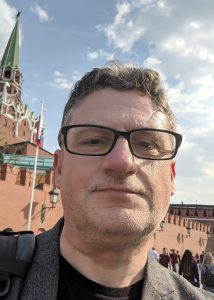
Putin’s war in Ukraine – and at home
Vranyo – Russian for I’m telling lies and you know I’m telling lies but I’m going to tell them anyway.That was veteran Russia watcher Mark Galeotti's judgment on the recent Russian election in which […]
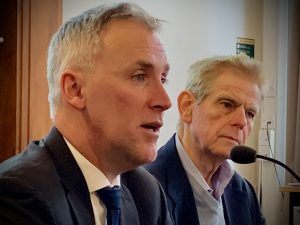
Artificial intelligence and democracy: friend or foe?
Report by David Worsfold, AEJ-UK Treasurer, on an AEJ meeting with Professor Ciaran Martin at Regent's University on 21 February 2024 on the theme of 'Artificial Intelligence and Democracy: Friend or Foe?' Artificial intelligence […]
Media Freedom
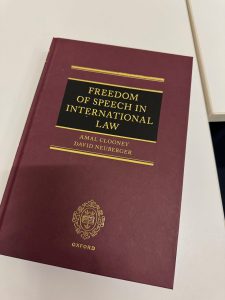
How international law can reverse the global assault on free speech
William Horsley, AEJ UK chair, examines how a new book charts ways that international law can be used to defend free speech and media freedom. […]
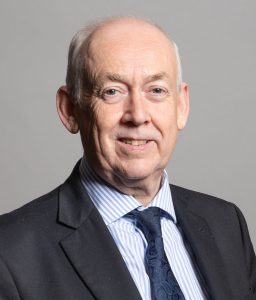
SLAPPs get slapped
The UK Parliament has backed a measure to tackle the use of SLAPPs – Strategic Lawsuits Against Public Participation. This legal tactic has been widely […]
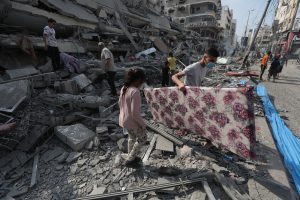
AEJ joins call to protect journalists and media freedom in Israel-Gaza war
The AEJ has joined 17 other media freedom, journalist, and human rights groups to call for immediate and decisive actions to end Israel’s “deliberate targeting” […]
News

Revelations of Russian money laundering through Cyprus
The International Consortium of Investigative Journalists and 68 media partners have exposed a sprawling financial industry using Cyprus to launder Russian money.European Union lawmakers have criticized Cyprus for its lax enforcement of sanctions against Russia and called for the closing of loopholes in anti-money laundering systems following revelations in the Cyprus Confidential investigation.AEJ Media Freedom Representative […]
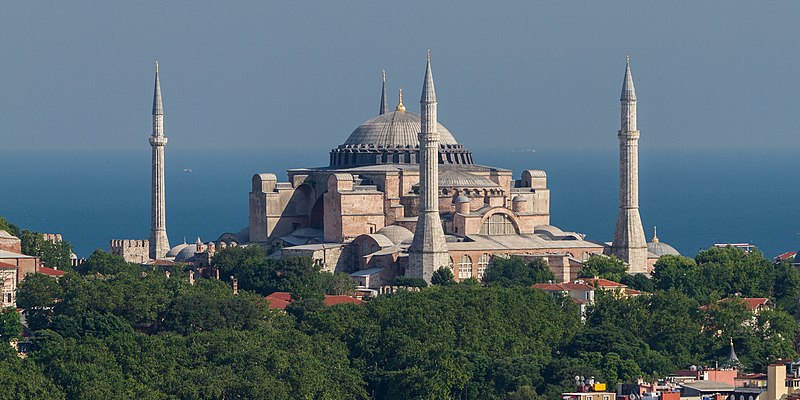
Marking Turkey’s centenary
The AEJ UK's Firdevs Robinson, former BBC World Service editor specialising in Turkey and the near east, examines the difference between modern Turkeys' two strongmen as Turkey celebrates its 100th anniversary. Has Turkey come full circle? […]
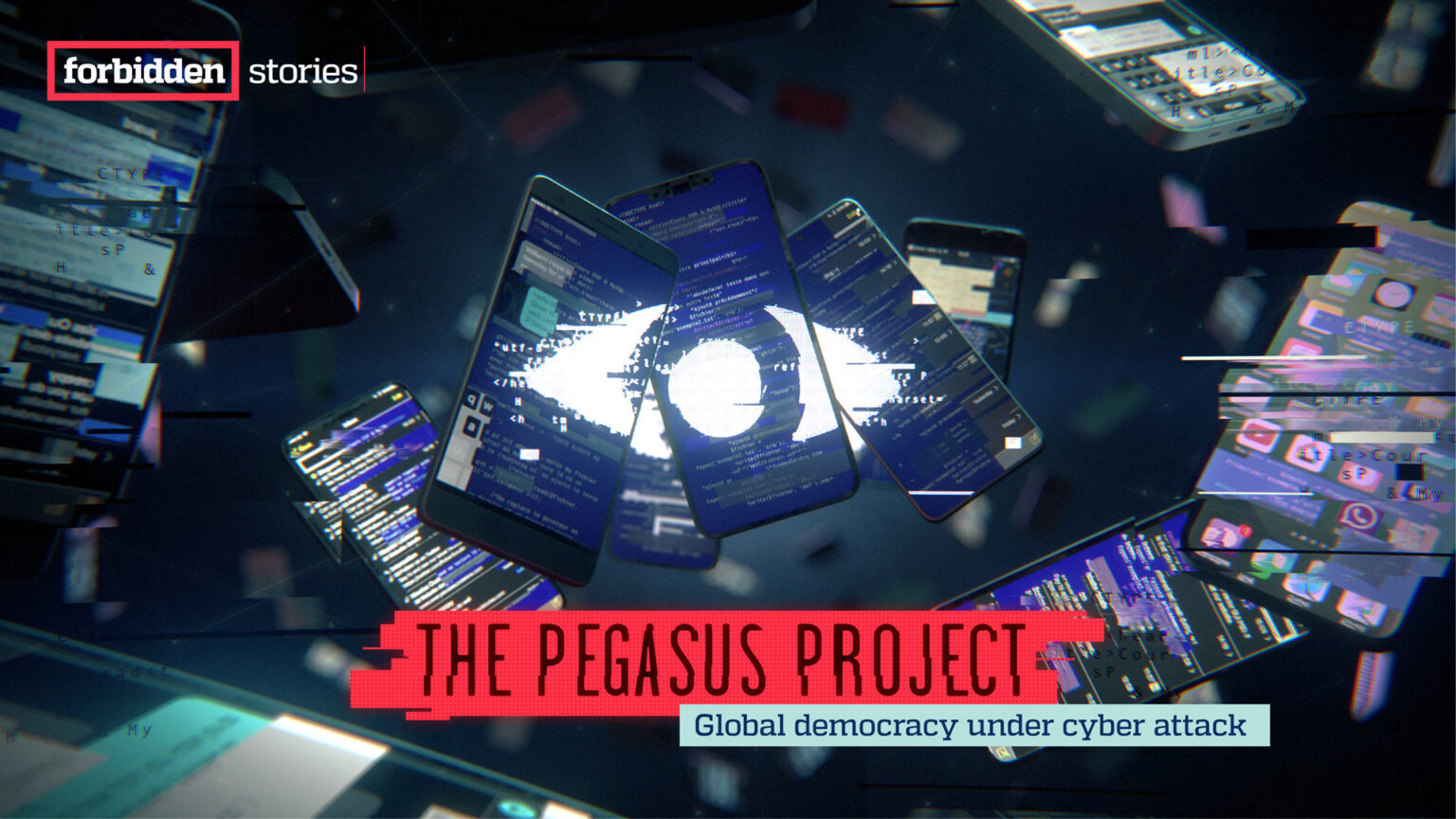
Another misuse of Pegasus spyware
A joint investigation published by The New York Times and Aristegui Noticias and reported by Article 19 and PEN International shows that Mexico's armed forces used NSO's Pegasus surveillance software to spy on communications between a human rights defender and journalists who were investigating allegations that soldiers had gunned down innocent people. Surveillance experts say this […]
Ukraine analysis
Russian journalism in exile
What's it like for journalists who have fled Russia since Russian President Vladimir Putin’s invasion of Ukraine on 24 February 2022? And the many independent […]
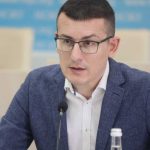
Reporting the war in Ukraine
The war in Ukraine has turned Ukrainian journalists into war reporters.At a workshop of the University of Sheffield’s Centre for Media Freedom hosted by the centre's […]
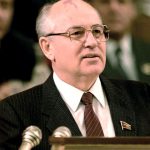
Reflections on Mikhail Gorbachev
The death of former Russian president Mikhail Gorbachev on August 30 2022 of course sparked strongly mixed reaction around the world.And perhaps unsurprisingly reopened wildly […]